Effective Storage Solutions for Your Peptides Proper storage of peptides is critical to maintain their efficacy and longevity. Peptides, due to their biochemical nature, are susceptible to degradation under inappropriate conditions. This guide, presented by GHCanada, aims to provide comprehensive i…
Effective Storage Solutions for Your Peptides
Proper storage of peptides is critical to maintain their efficacy and longevity. Peptides, due to their biochemical nature, are susceptible to degradation under inappropriate conditions. This guide, presented by GHCanada, aims to provide comprehensive information on how to optimally store peptides purchased from their extensive product lineup. Ensuring the stability of peptides like BPC-157 and Ipamorelin will maximize their shelf life and effectiveness for your research or therapeutic use.

Understanding Peptide Stability
Peptides are chains of amino acids that can undergo degradation when exposed to heat, light, or improper pH levels. The structure of peptides makes them particularly vulnerable to the breakdown by enzymes and chemical degradation, which can lead to a loss of potency and, ultimately, reduced effectiveness in applications.
Initial Receipt and Inspection
Upon receiving your peptides from GHCanada, it’s essential to inspect the packaging for any signs of tampering or damage that could have affected their quality. Peptides are typically shipped in lyophilized (freeze-dried) form and should arrive in a sealed container, often under vacuum or in an inert atmosphere to prevent degradation.
Short-Term Storage Recommendations
For short-term storage (several weeks up to a month), most peptides remain stable when kept in a cool, dry place away from direct sunlight. The peptides should remain in their original packaging to minimize exposure to air and humidity. It’s vital to avoid repeated temperature fluctuations, so storing them in a stable environment such as a cupboard in a climate-controlled room is advisable.
Long-Term Storage Solutions
For long-term storage, peptides should ideally be stored in a freezer at a temperature of -20°C or lower. Before freezing, it’s crucial to divide the peptides into aliquots. This practice minimizes freeze-thaw cycles, which can significantly degrade peptides each time they are thawed for use. Products like GHCanada’s Melanotan-2 and Semaglutide should be carefully aliquoted in an inert atmosphere, such as nitrogen, to prevent moisture absorption and oxidation.
Handling and Preparation
Whenever handling peptides, especially during preparation for storage or use, ensure that you work quickly and efficiently. Peptides should be kept cool, and all materials and surfaces should be sanitized to avoid introducing contaminants that could foster degradation. Once ready for use, peptides should be reconstituted using sterile water or a buffer suited to the peptide’s properties, as indicated in GHCanada’s detailed product guidelines.
Monitoring and Maintenance
Regularly check on your peptide storage conditions. Even in a freezer, fluctuations in temperature or power outages can impact the stability of stored peptides. Monitoring devices can help track conditions and alert you to any changes that might jeopardize peptide integrity.
Storing peptides properly is as crucial as their initial selection and purchase. By following these guidelines, users of GHCanada products can ensure their peptides like BPC-157 and Ipamorelin are well-preserved and retain their effectiveness for both research and therapeutic purposes. Remember, the key to successful peptide use is not only how you use them but also how you store them.
Advanced Storage Techniques and Troubleshooting for Peptides
Building on the foundational knowledge of peptide storage from Part 1, this section delves deeper into advanced storage techniques and provides solutions for common issues that might arise during the storage of peptides. Understanding these aspects ensures that your peptides, such as those procured from GHCanada, maintain their integrity and efficacy over time.

Advanced Storage Techniques
- Vacuum Sealing: For peptides that are sensitive to air and moisture, such as Ipamorelin and CJC Peptide, vacuum sealing can significantly extend their shelf life. Vacuum sealing prevents air from entering the container, thus reducing oxidation and moisture-related degradation.
- Desiccants: Including desiccants in your peptide storage containers absorbs any moisture that may have been trapped during the packaging process or that penetrates the storage environment. This technique is particularly useful in humid climates and can be vital for hygroscopic peptides, which are prone to absorbing moisture from the air.
- Stable Temperature Control: Investing in a high-quality, pharmaceutical-grade freezer with a stable temperature control system is crucial for long-term storage of peptides. This type of equipment ensures a consistent temperature that protects sensitive compounds from degradation due to thermal fluctuations.
Troubleshooting Common Storage Issues
- Peptide Aggregation: If peptides like Melanotan-2 appear clumpy or aggregated, this could be a sign of moisture exposure or incorrect freezing methods. To remedy this, ensure that you’re using desiccants and storing peptides in smaller aliquots to minimize exposure to air and moisture during use.
- Loss of Potency: If you suspect a loss of potency, consider whether the peptides have been subjected to multiple freeze-thaw cycles. Limiting the number of cycles by aliquoting peptides into usable amounts can prevent degradation. Also, check if the peptides were reconstituted correctly according to GHCanada’s guidelines, as improper reconstitution can also affect potency.
- Contamination: If contamination is suspected (usually evident from changes in color or the appearance of particles), review your handling procedures. Ensure that all materials are sterile and that peptides are handled in a clean environment. Contaminated peptides should be discarded to avoid experimental errors or health risks.
Regular Inspections and Record Keeping
Regularly inspect your peptide stock for any signs of degradation or anomalies and maintain detailed records of storage conditions and peptide handling practices. This will not only help in pinpointing issues but also in ensuring compliance with best practices, particularly in research settings.
Using Technology to Enhance Peptide Storage
Consider employing technology solutions such as temperature monitoring systems in freezers or refrigerators where peptides are stored. These systems can alert you to critical changes in environmental conditions that could potentially compromise peptide quality.
Conclusion
Advanced storage techniques and effective troubleshooting are paramount in maintaining the integrity of your peptides. By implementing these practices, researchers and health professionals can ensure that products like those from GHCanada perform to their full potential, thereby supporting successful outcomes in both therapeutic and research applications. Remember, proper peptide storage is not just about preservation but also about maximizing the return on your investment in these high-value biochemicals.
Keep reading

What Thymosin Alpha-1 Does and What the Trials Found
Thymosin alpha 1 gets lumped in with healing peptides like BPC-157 and TB-500, mostly because of the name. It is a different thing. It does not repair tissue. It is an immune pepti...
Read article
What Is Cagrilintide?
A weekly amylin shot that, paired with semaglutide, produced 22.7 percent weight loss in REDEFINE 1. How it works, the side effects, and where approval stands.
Read article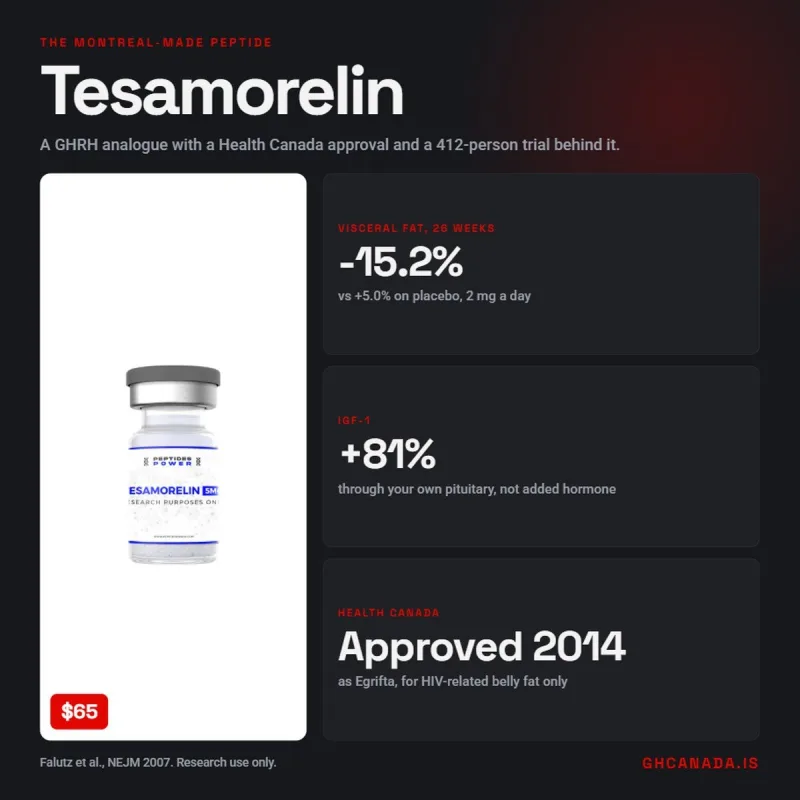
Tesamorelin in Canada: What It Is, What the Trial Found, Where to Get It
Tesamorelin is the rare peptide with a Canadian story and a proper clinical trial behind it. It was developed by a Montreal company, approved by Health Canada, and tested in a rand...
Read article