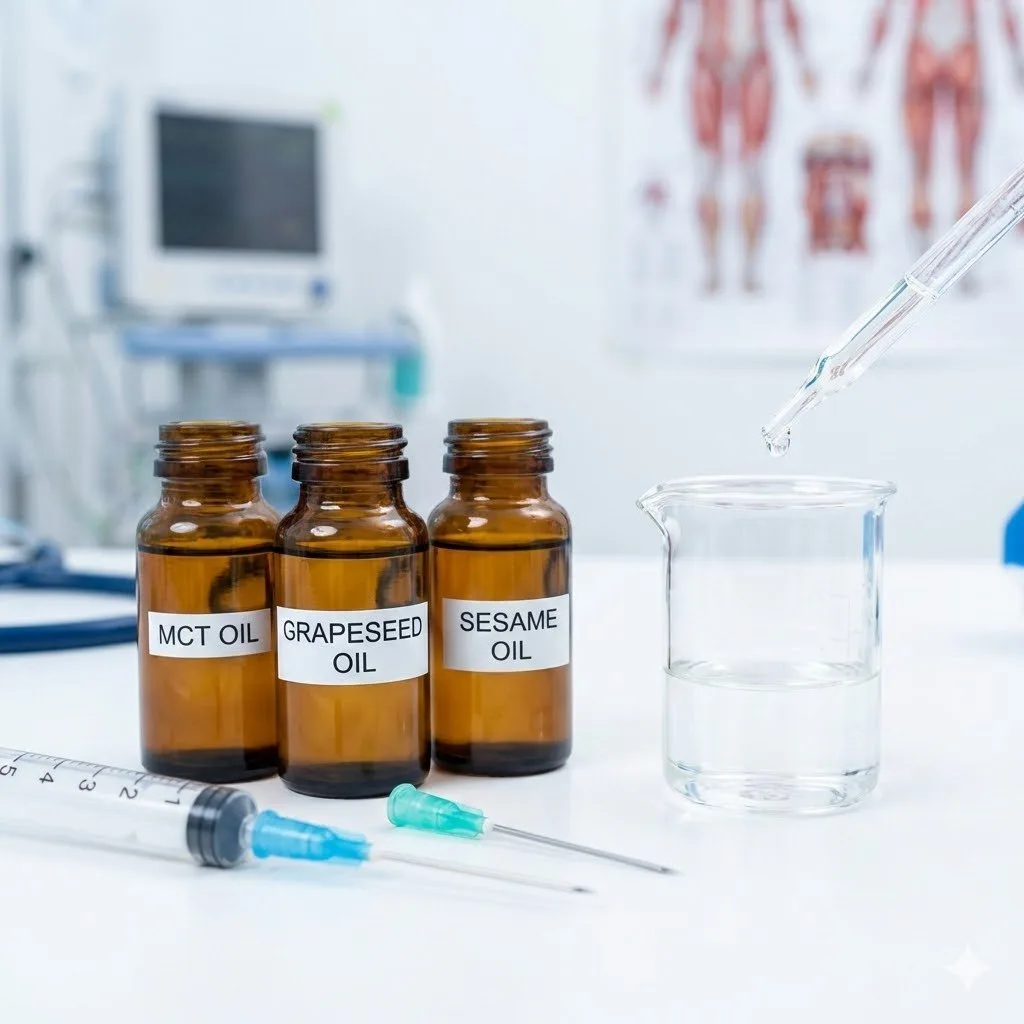
How is Carrier Oil Used with Steroids? The Science of Delivery When you hold a vial of Testosterone Enanthate or Trenbolone, what you are looking at is 95% delivery system and only 5% active drug. While the hormone (the milligrams per milliliter) gets all the credit for the muscle growth, the fat l…
In this article
How is Carrier Oil Used with Steroids? The Science of Delivery
When you hold a vial of Testosterone Enanthate or Trenbolone, what you are looking at is 95% delivery system and only 5% active drug. While the hormone (the milligrams per milliliter) gets all the credit for the muscle growth, the fat loss, and the strength gains, it is the liquid inside the vial—the carrier oil—that determines whether your cycle will be a smooth, painless experience or a struggle with inflammation and stiffness.
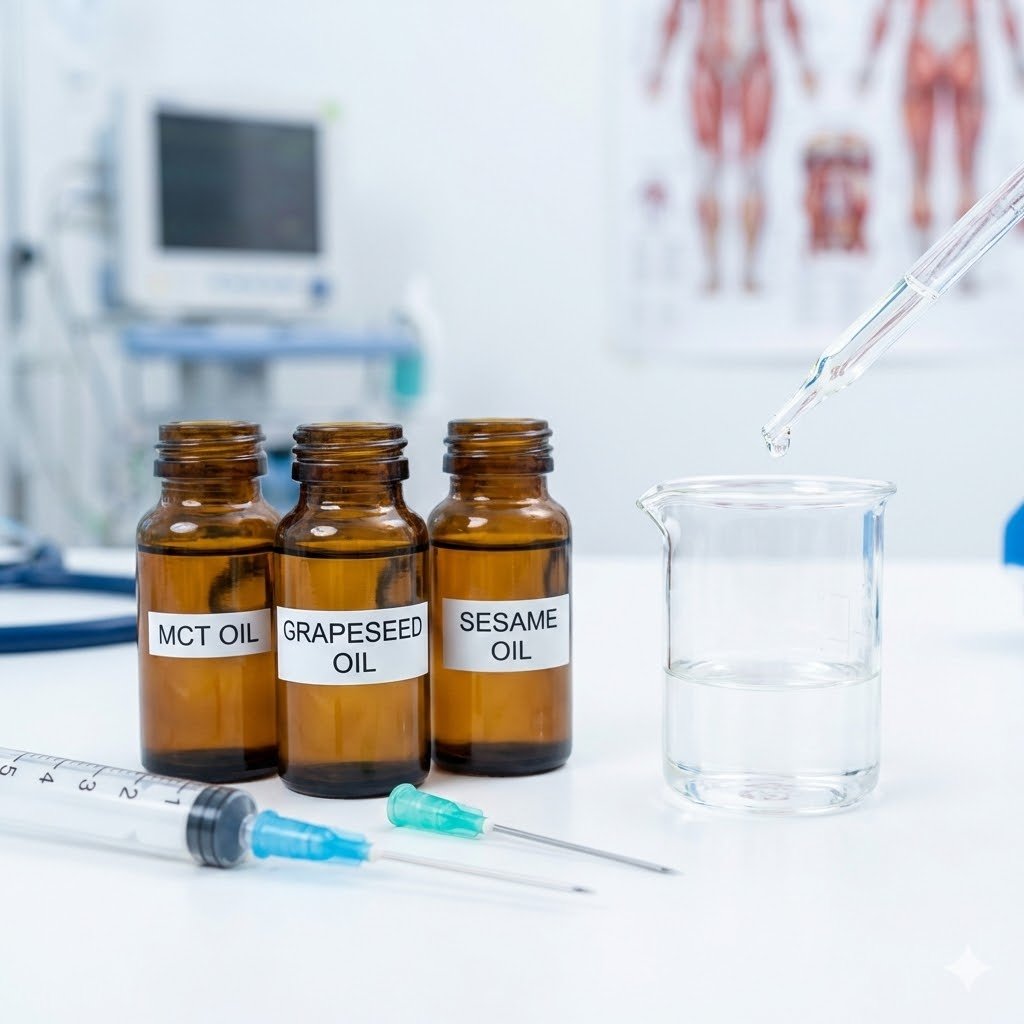
For the modern athlete, understanding how carrier oils function is not just trivial chemistry; it is a practical necessity. The type of oil used dictates which needle gauge you can use, how fast the hormone enters your bloodstream, and how much “Post-Injection Pain” (PIP) you might endure.
This comprehensive guide explores the biological role of carrier oils, the differences between the major types used in 2026, and how to select the right vehicle for your performance goals.
The Function: Why Can’t We Inject Raw Hormones?
To understand carrier oils, you must first understand the raw material. Anabolic androgenic steroids (AAS) in their raw form are crystalline powders. They look like crushed salt or white flour. If you were to mix this powder with water and inject it, two things would happen:
Immediate Blockage: The crystals would not dissolve. They would clog the needle instantly.
Abscess Formation: If you managed to force them into the muscle, your body would treat the clump of crystals as a foreign invader, walling it off and likely causing a painful, dangerous abscess.
The Lipophilic Solution
Steroid hormones are lipophilic (fat-loving) and hydrophobic (water-hating). This means they dissolve perfectly in fats and oils but repel water.
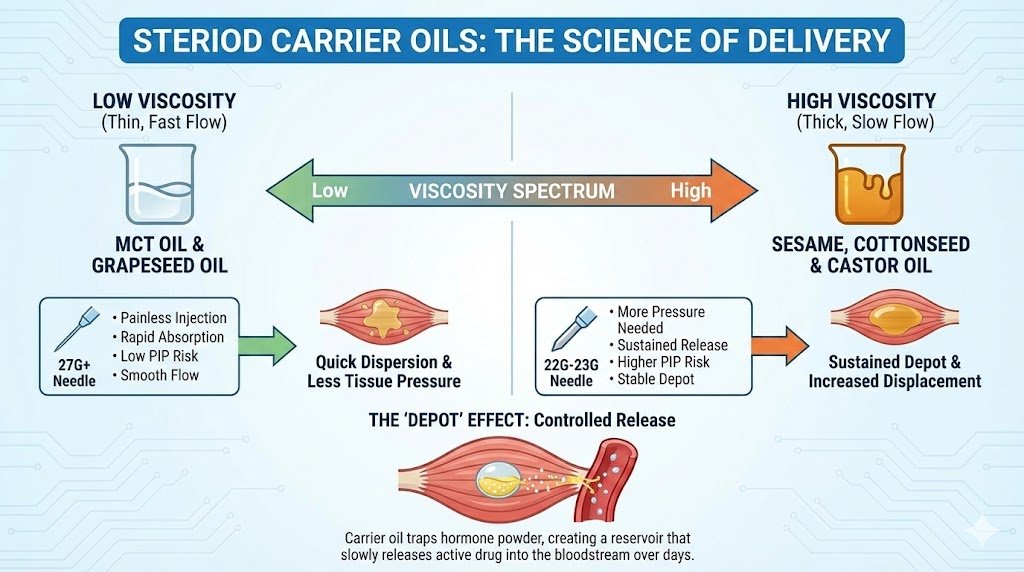
By dissolving the raw hormone powder into a sterile carrier oil, chemists create a “Depot.” When you inject this oil into a muscle (Intramuscular Injection), it creates a small reservoir of fluid between the muscle fibers. Because the oil is thick and the muscle environment is watery (blood and lymph), the oil sits there, slowly eroding. As the oil is gradually absorbed by the body, the hormone trapped inside is released into the bloodstream in a controlled, steady stream.
This is why you don’t need to inject Testosterone Enanthate every hour. The carrier oil, combined with the ester attached to the hormone, regulates the timing of the release, allowing for convenient weekly or bi-weekly dosing.
Viscosity: The Key to Painless Injections
The most significant variable between different carrier oils is viscosity—essentially, the “thickness” or resistance to flow.
High Viscosity (Thick): Oils like Castor, Cottonseed, or Sesame. These are like maple syrup. They require force to push through a needle.
Low Viscosity (Thin): Oils like MCT (Coconut) or Grapeseed. These are like water. They flow effortlessly.
Why Viscosity Matters for the User
Needle Selection: If you are using a thick pharmaceutical-grade oil, you generally need a larger needle (22G or 23G) to get the oil into the muscle. If you are using a thin UGL (Underground Lab) oil like MCT, you can often use a 27G or even a 29G insulin pin, causing significantly less scar tissue and pain.
Displacement Pain: A thick oil pushes muscle fibers apart aggressively to make room for itself. This pressure causes the dull, aching soreness known as PIP that can last for days. Thin oils disperse quickly into the tissue, minimizing this pressure.
Common Carrier Oils: The 2026 Landscape
Not all oils are created equal. Depending on whether you buy Pharmaceutical Grade or from a reputable domestic source like GH Canada, you will encounter different carriers.
MCT Oil (Miglyol 812)
The Modern Standard: Fractionated Coconut Oil (Medium Chain Triglycerides) is currently the most popular carrier in the performance community.
Pros: It is incredibly thin, clear, and odorless. It has a high solubility, meaning it holds hormones well without them crashing out. It creates the smoothest injection experience possible.
Cons: It can sometimes be too thin for older equipment, leaking if not injected deep enough.
Grapeseed Oil (GSO)
The Balanced Choice: GSO is a byproduct of winemaking. It has a slightly green tint.
Pros: It is thicker than MCT but much thinner than Sesame. It is widely considered hypoallergenic and very gentle on the tissue. It is the “Gold Standard” for many high-quality labs because it balances flow rate with stability.
Cons: It has a shorter shelf life than synthetic oils (about 1 year) if not stored properly.
Cottonseed & Sesame Oil
The Pharma Classics: If you pick up a prescription of Testosterone Cypionate from a pharmacy, it is likely suspended in Cottonseed oil.
Pros: Extreme stability. These oils can sit on a shelf for 5 years without going rancid. They meet strict FDA guidelines.
Cons: They are very thick. Injecting them requires patience and larger needles. They are also common allergens (nuts/seeds), which can cause systemic inflammation in sensitive users.
Castor Oil
The Long-Hauler: Used almost exclusively for Testosterone Undecanoate.
Function: Castor oil is extremely viscous. It is used to deliberately slow down absorption to a crawl, allowing for injection frequencies of once every 10 to 12 weeks.
Warning: Never try to inject this with a small needle. It will jam.
Ethyl Oleate (EO)
The Solvent Carrier: EO is a synthetic fatty acid ester, not a natural oil. It is often mixed with other oils to create “High Concentration” blends (like Test 400 or Tren Enanthate 200).
Pros: It dissolves powder like magic. It makes even the heaviest gear flow like water.
Cons: It is notorious for causing inflammatory reactions in some users. It can also degrade the rubber stopper of the vial if stored for too long.
The Hidden Helpers: Solvents (BA & BB)
A carrier oil cannot do the job alone. If you just mixed powder and oil, the powder would settle at the bottom. To make a functioning injectable steroid, chemists add two critical solvents:
Benzyl Alcohol (BA): This acts as a bacteriostatic agent. It keeps the oil sterile and prevents bacteria from growing inside the vial. However, BA is also the primary cause of the “stinging” sensation during injection. High BA content = high pain.
Benzyl Benzoate (BB): This is a co-solvent that helps dissolve the hormone powder and keeps it in solution. Short esters (like Propionate) require higher amounts of BB, which is why they often hurt more than long esters (like Enanthate).
Practical Guide: Choosing and Using
Avoiding “Crashing”
Sometimes, if a vial gets too cold (like during winter shipping in Canada), the hormone may fall out of the solution and form crystals at the bottom. This is called “crashing.”
The Fix: Do not throw it away. Simply place the vial in a warm water bath (not boiling) for 10–15 minutes and swirl it gently. The heat will help the carrier oil redissolve the crystals. Once clear, it is safe to use.
Managing Sensitivity
If you experience severe swelling, redness, or itching at the injection site that lasts longer than 3–4 days, you may be allergic to the carrier oil.
The Solution: Switch sources. If you were using a product with Sesame oil, try finding a source that uses MCT or Grapeseed. This is often the quickest fix for chronic PIP.
Injection Technique for Different Oils
For Thick Oils: Warm the vial before injecting. Roll it between your hands or use a hair dryer on low for a minute. Warm oil flows significantly faster than cold oil.
For Thin Oils: Be slow. Even though MCT flows fast, injecting too rapidly can tear muscle tissue (hydraulic damage). Take 15–30 seconds to push 1ml of fluid.
Conclusion: Respect the Vehicle
The carrier oil is the unsung hero of your cycle. It protects the hormone, ensures sterility, and dictates the comfort of your daily routine. By understanding the difference between a high-viscosity carrier like Cottonseed and a high-flow carrier like MCT, you can make smarter choices about your needles and syringes and avoid unnecessary pain.
Whether you are cruising on TRT or running a complex stack, remember: the quality of the oil is just as important as the quality of the drug. Always source from reputable suppliers who prioritize sterile, hypoallergenic carrier blends for the safest possible results.
Keep reading

What Thymosin Alpha-1 Does and What the Trials Found
Thymosin alpha 1 gets lumped in with healing peptides like BPC-157 and TB-500, mostly because of the name. It is a different thing. It does not repair tissue. It is an immune pepti...
Read article
What Is Cagrilintide?
A weekly amylin shot that, paired with semaglutide, produced 22.7 percent weight loss in REDEFINE 1. How it works, the side effects, and where approval stands.
Read article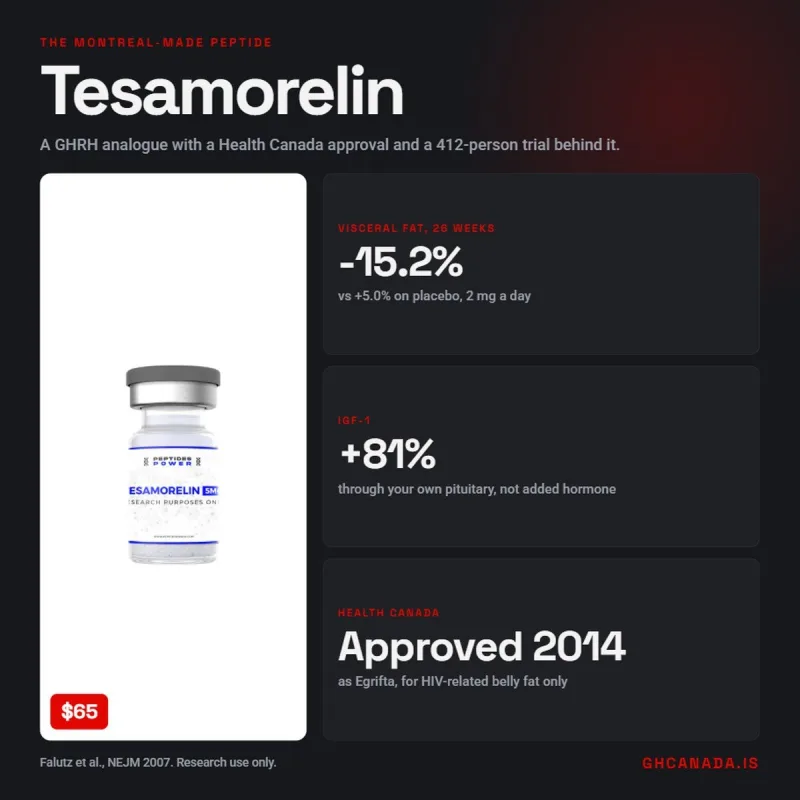
Tesamorelin in Canada: What It Is, What the Trial Found, Where to Get It
Tesamorelin is the rare peptide with a Canadian story and a proper clinical trial behind it. It was developed by a Montreal company, approved by Health Canada, and tested in a rand...
Read article